



A Philosophy on Avoiding “Surgery-Like” or “Surgery-Lite” Results
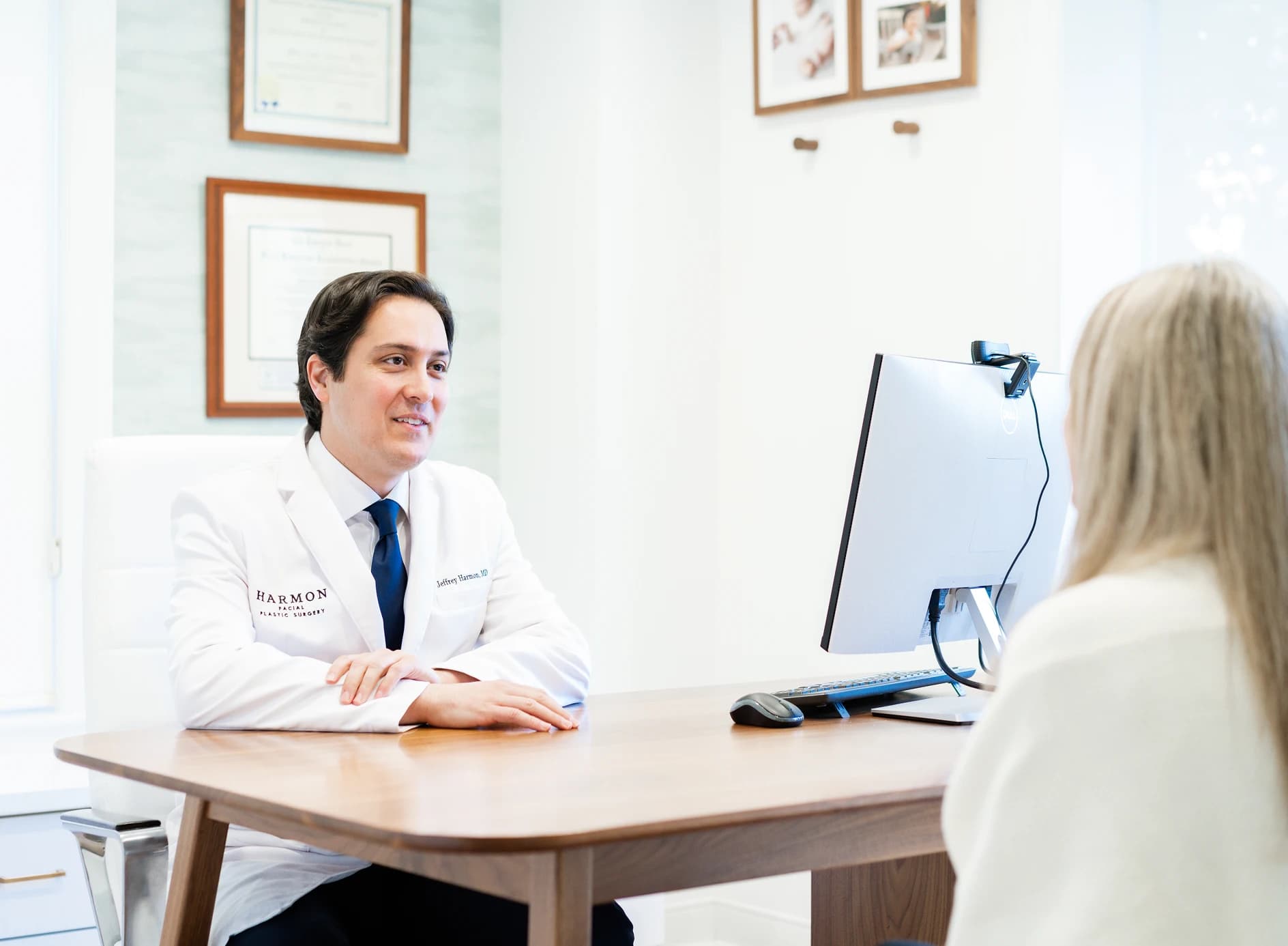
I see many patients in consultation seeking guidance on which treatments may be beneficial, either to delay the need for cosmetic facial surgery or to make more refined, incremental improvements until the time comes for surgery. It is important to understand that each surgeon has a unique experience and knowledge. Therefore, philosophies on caring for the face before surgery may differ. My philosophy is based on the reality that, while there are many effective treatments that can complement surgical procedures, chasing a “surgery-like” or “surgery-lite” result can often lead to frustration and even make future surgical procedures more difficult.
Why “Surgery-Like” or “Surgery-Lite” Results Can Be Misleading
For example, I have written extensively about my skepticism of the value of energy-based devices (e.g. ultrasound, radiofrequency) to treat skin laxity in younger individuals who are not yet ready for surgery. I generally advise most patients to hold off on these treatments and, instead, wait until it is time for surgery.
Non-Surgical Treatments That Truly Complement Surgery
There are two (2) non-surgical treatments that can complement future surgical treatments beautifully:
- Neuromodulators such as Botox© - This family of medications does what even surgery cannot. These medications can reduce the harsh contractions around the eyes that worsen with age. In fact, neuromodulators are an important component of cosmetic maintenance long-term, even after surgery to address facial aging, such as a deep plane facelift, neck lift, lateral temporal brow lift, and/or eyelid (blepharoplasty) surgery.
- Skin care – Skin care is essential and more important than the use of Botox© or other neuromodulators. But it does not need to be complex, despite what industry and influencers tell you.
The essential components of any skin care routine, in order of importance, are:
- Sun protection – A mineral-based, tinted sunscreen of SPF 30 or greater is probably the most important component of any skincare regimen. Excess exposure to the sun increases the risk of skin cancer and accelerates skin aging. Importantly, we are not endorsing sun avoidance. Natural light serves many important purposes, including maintaining our circadian rhythm and helping our skin produce Vitamin D. Go outside but protect yourself from the excesses of the sun.
- Moisturizers – This is a family of ingredients that, among other things, absorbs water, retains water, and reinforces and repairs the skin barrier, all of which work together to maintain the skin’s moisture. Dry skin can become damaged, which accelerates aging.
- Retinoid/retinol – Tretinoin is the only Food and Drug Administration (FDA) approved treatment for skin damage from the sun i.e. photoaging. As a result, tretinoin is available by prescription only. A less regulated and less effective alternative is retinol, which can be purchased over-the-counter from many companies.
- Vitamin C (ascorbic acid) – Another popular ingredient in cosmeceuticals like retinol, Vitamin C has anti-inflammatory properties and photoprotection properties that are inferior – but complementary – to sunscreen.
Light-Based Devices That Improve Skin Quality
A family of devices worth considering prior to the need for surgery are used to improve the quality of the skin. These devices use light.
Some of these devices use a spectrum of light to treat the skin. For example, LED light therapy uses red and near-infrared spectrum light to improve the appearance of the skin. These devices have been shown to be safe at the recommended dosing. As a result, at-home and in-office LED light therapy may be an effective adjunct to your skincare routine, though it should not replace it.
Intense Pulsed Light (IPL) is an in-office device that utilizes a broad spectrum of light to treat conditions leading to redness and hyperpigmented (dark) spots on the face.
Laser Treatments for Skin Aging
Lasers, which are more powerful than LED light therapy and IPL, are diverse group of light-based devices treat skin conditions:
- Resurfacing lasers (e.g. CO2) – These lasers treat features of aging including fine lines, wrinkles, dark spots, large pores, and textural abnormalities.
- Vascular lasers – These laser target blood vessels by selectively heating hemoglobin, a component of blood. They are often used to treat abnormal blood vessels that contribute to redness in the face.
Devices that utilize light to induce changes to the skin are an externally directed method to improve the appearance of the skin.
Regenerative Medicine and the Future of Skin Rejuvenation
A new, complementary series of treatments are in development that fall within the regenerative medicine category. These are treatments meant to repair, replace, and/or regenerate human cells. I have written about multiple categories of treatments, including exosomes. And while most of these treatments are not yet “ready for prime time” due to insufficient proof of effectiveness and/or insufficient establishment of their safety, there is one treatment offered at Harmon Facial Plastic Surgery that falls under the category of regenerative medicine, called nano-fat. The treatment involves the isolation of stem cells and cell signaling molecules from a patient’s own fat and the injection of this thin liquid into the deepest layers of the skin of the face.
The purpose of nano-fat, unlike structural fat grafting, is not to add volume to the face. Instead, it is to improve the quality and, therefore, the appearance of the face. Early evidence for the effectiveness of nano-fat is promising, and its safety has been demonstrated. There are other promising treatments in the field of regenerative medicine that may be available within the next ten (10) years. Until then, consider nano-fat, which utilizes only the body’s own material.
Preparing the Face for Surgery the Right Way
In summary, there is no truly effective alternative to surgery when it comes to age-related changes in the face and neck. However, it is important to care for our skin long before surgery becomes necessary. Neuromodulators such as Botox©, effective skin care, LED light therapy, lasers, and regenerative medicine treatments, including nano-fat are all available to prepare for and complement the effects of surgery.
Disclaimer
This blog post is for educational purposes only and does not constitute direct medical advice. It is essential that you have a consultation with a qualified medical provider prior to considering any treatment. This will allow you the opportunity to discuss any potential benefits, risks, and alternatives to the treatment.
Book Your Consultation
Take the first step toward enhancing your natural beauty by scheduling a personalized consultation with Dr. Jeffrey Harmon. As a double board-certified facial plastic surgeon trained by the pioneer of the extended deep plane facelift, Dr. Harmon offers expert guidance and care. Whether you're considering surgical or non-surgical options, our team is here to support your journey to renewed confidence.